

































PEACE — a short five-letter word. What does it mean? We all say we want peace in our lives and in the world, but what do we really mean? Is the absence of war, conflict, strife — peace? Is security, comfort, affluence the same as peace? Is having your way — the way to peace? Or is peace something deeper?
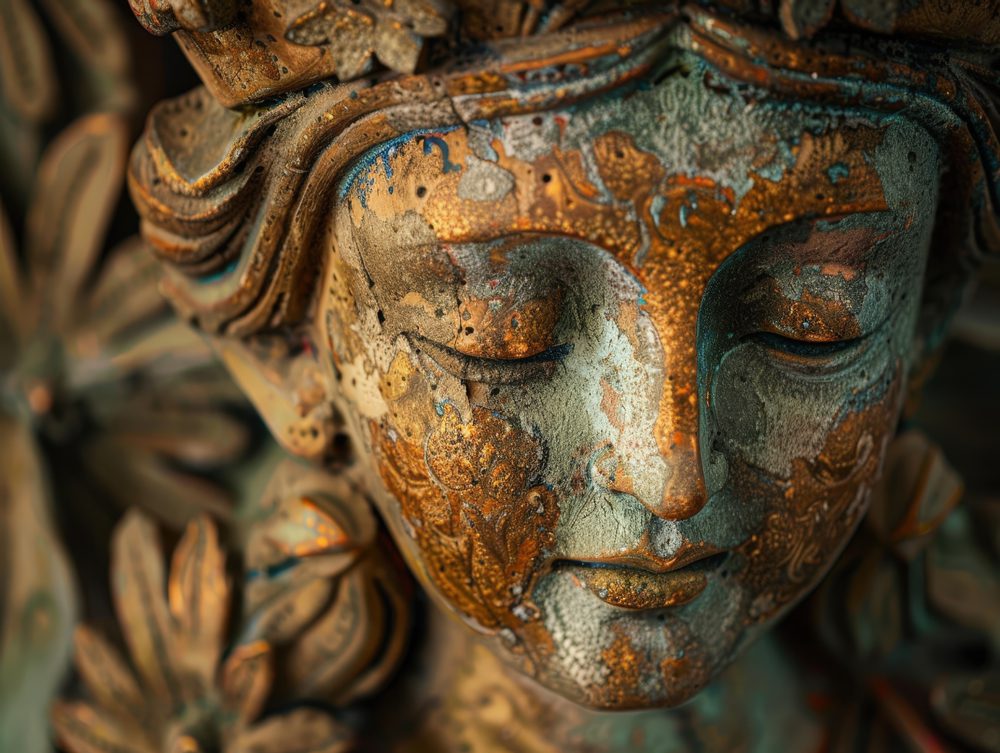
Growing up in India, I remember visiting the gigantic statues of Buddha, seated on the lotus flower, calm, still, serene, peaceful. In my child’s mind, I wondered if only monks who gave up the world could find true peace. It was much later that I came to learn that the Buddha statues don’t just symbolize a passive peace; they embody an active discipline. For Buddha, peace is not a condition “out there,” it is a practice “in here,” in our own hearts and choices. It is cultivated in how we live with each other, how we speak, how we act when conflict arises. In the absence of conflict, the concept of peace itself is meaningless.
This is the essence of the Eightfold Path, Buddha’s practical guide for ending suffering and cultivating peace. It shows us peace not as the absence of conflict, but as the presence of right intention, right speech, right action. Even choosing one—pausing before a harsh word, listening fully to another’s perspective, holding one’s truth gently & with humility —brings peace into the world. In a time when sharp words and quick judgments fly so easily, where dehumanizing those we don’t agree with has become the norm, practicing right speech is a discipline to be cultivated and an act of peace.
That’s the heart of peace. Not only the treaties and the agreements, the rallies and the marches, but the small, everyday acts of care, attention, curiosity and humility.
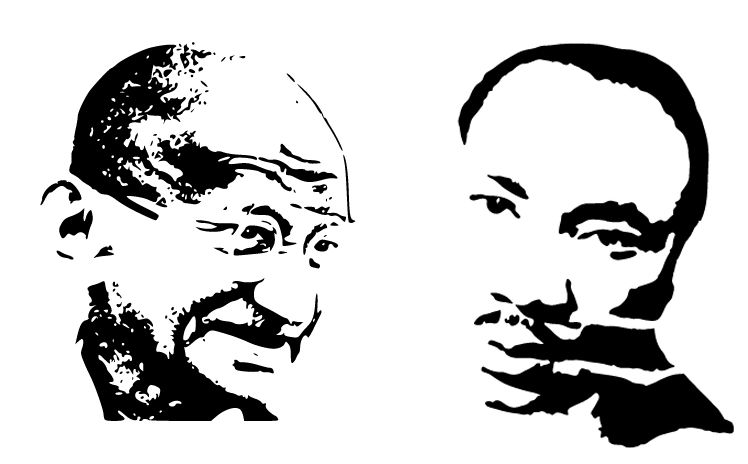
Peace is possible. As Mahatma Gandhi, another apostle of peace, said, “Not to believe in the possibility of permanent peace is to disbelieve in the Godliness of human nature. But peace is not attained by part performance of conditions, just as a chemical combination is impossible without complete fulfillment of the conditions of attainment thereof.”
If man is made in the image of God, peace is possible. But it demands our full commitment to the discipline of peace; a dedication in thought, word, and deed to make it real.
On this day of remembrance and hope, may we not only wish for peace, but commit to practice it—one word, one act, one step at a time.
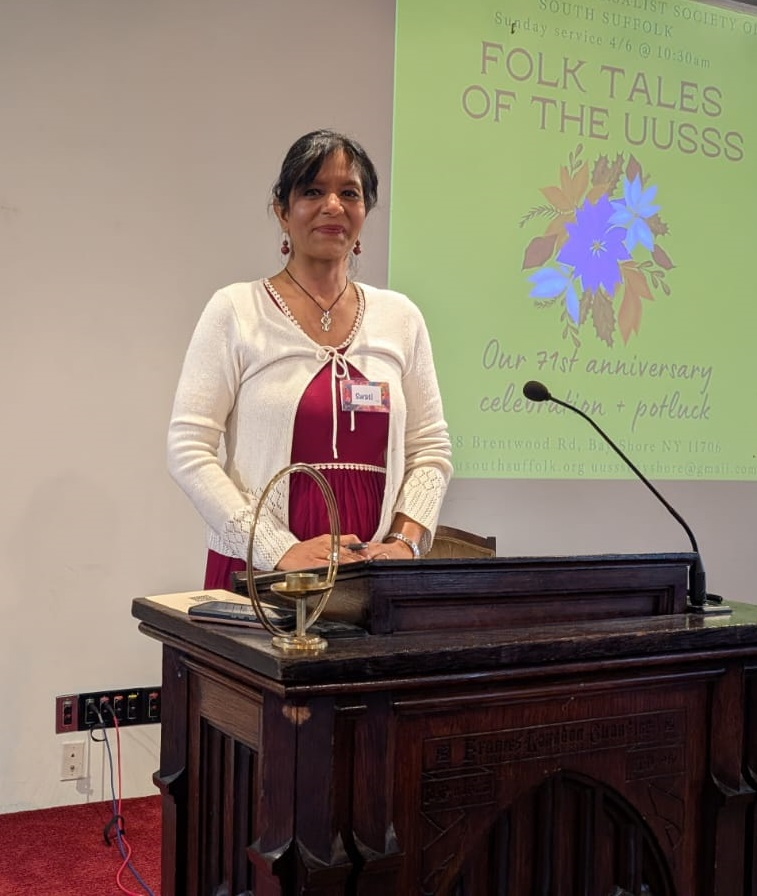
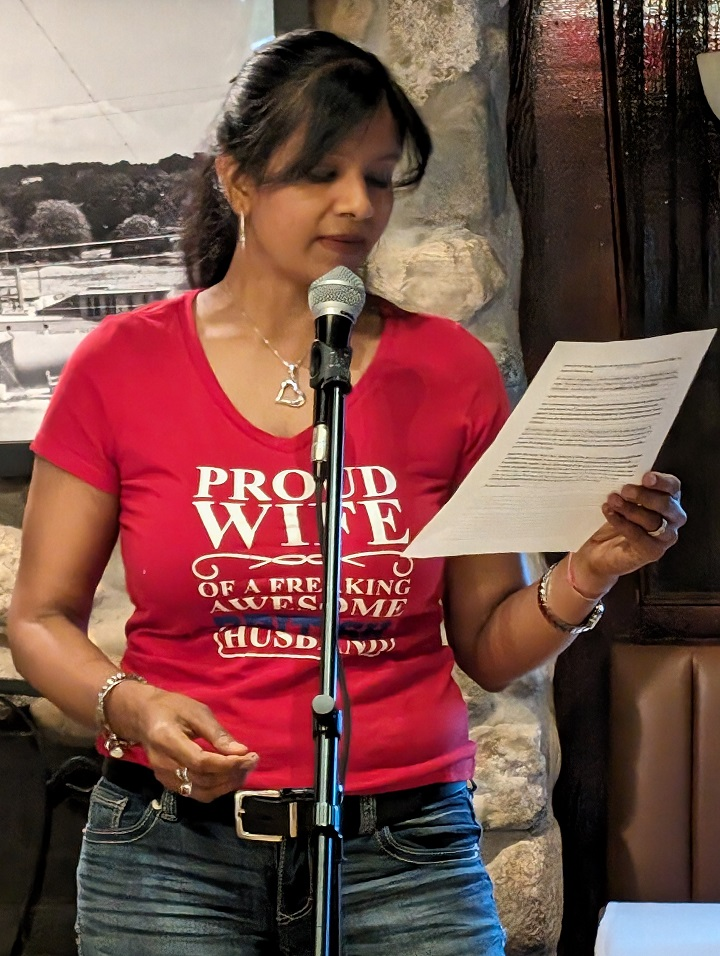
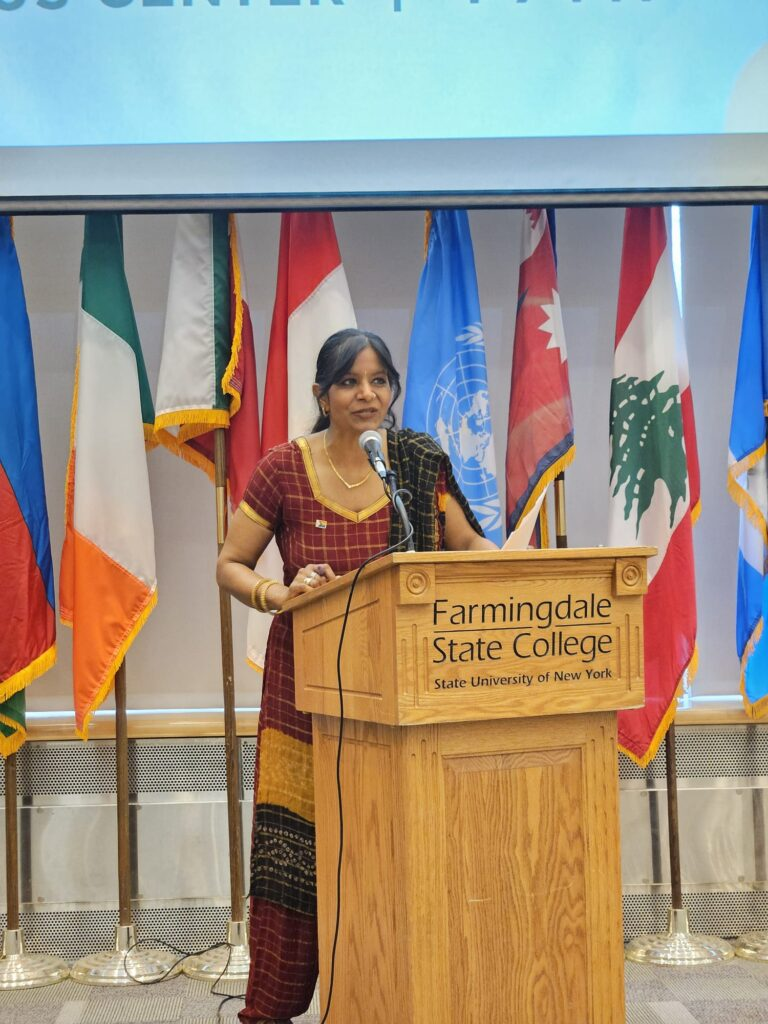
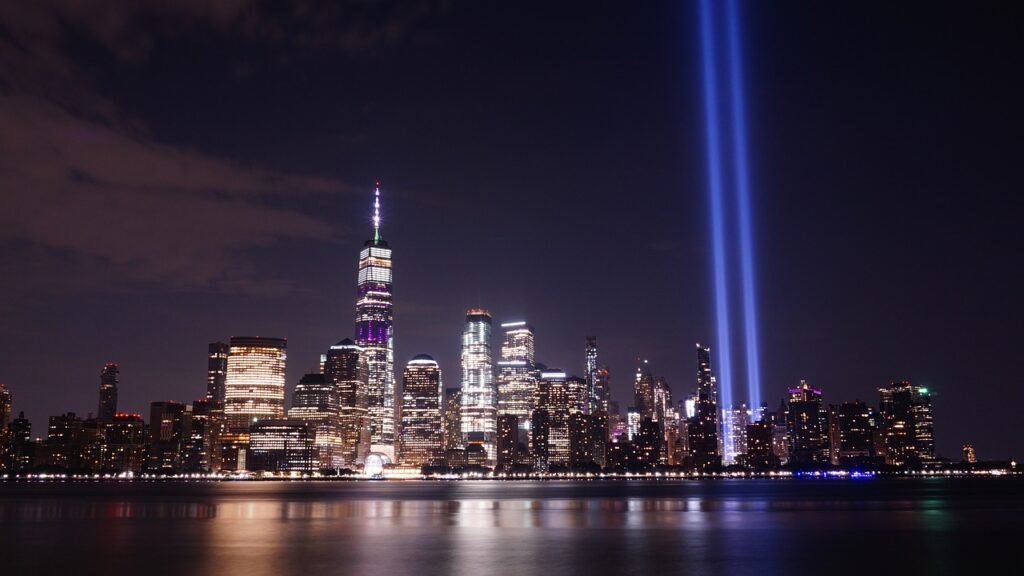
This was the full text of my speech at the “Commitment to Peace” service hosted by the Bay Shore Interfaith Council, in commemoration of September 11 and the UN International Day of Peace.
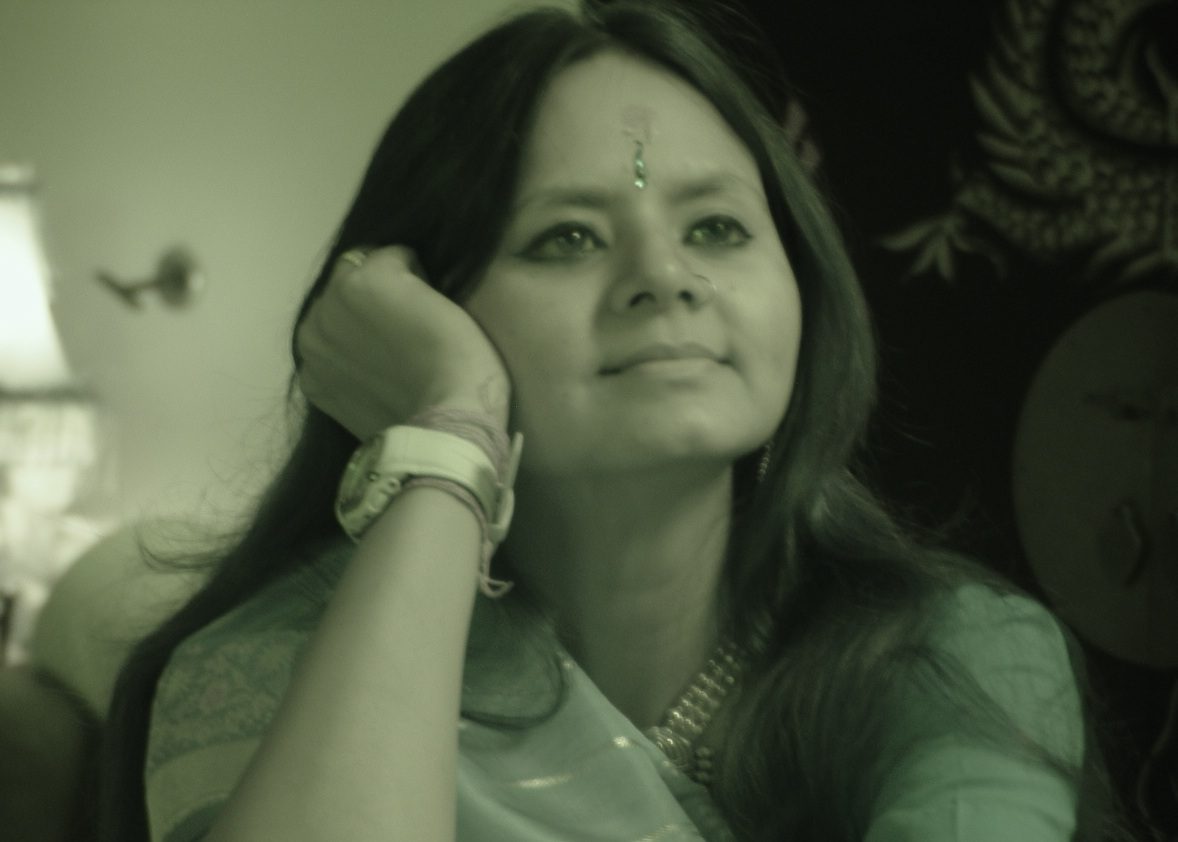
Swati Srivastava is an immigrant and a multi award-winning writer, director, and voiceover artist. A filmmaker & storyteller, Swati turns ideas into experience. She is also the Director of Visual Media for a national non-profit and an environmentalist. She can be reached via Linkedin and swati@TiredAndBeatup.com