



















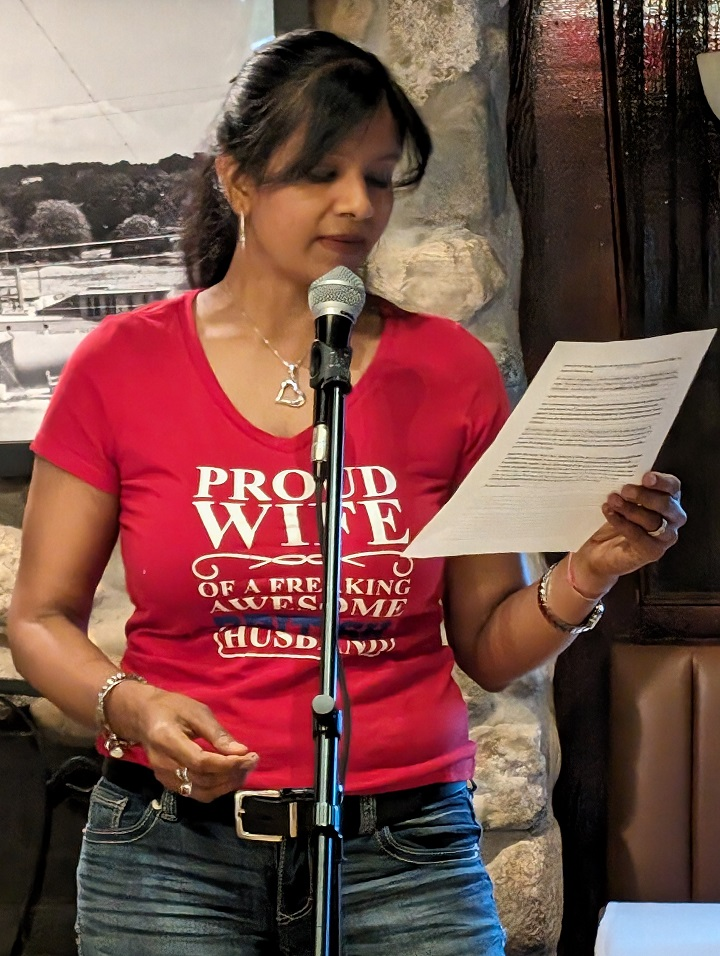




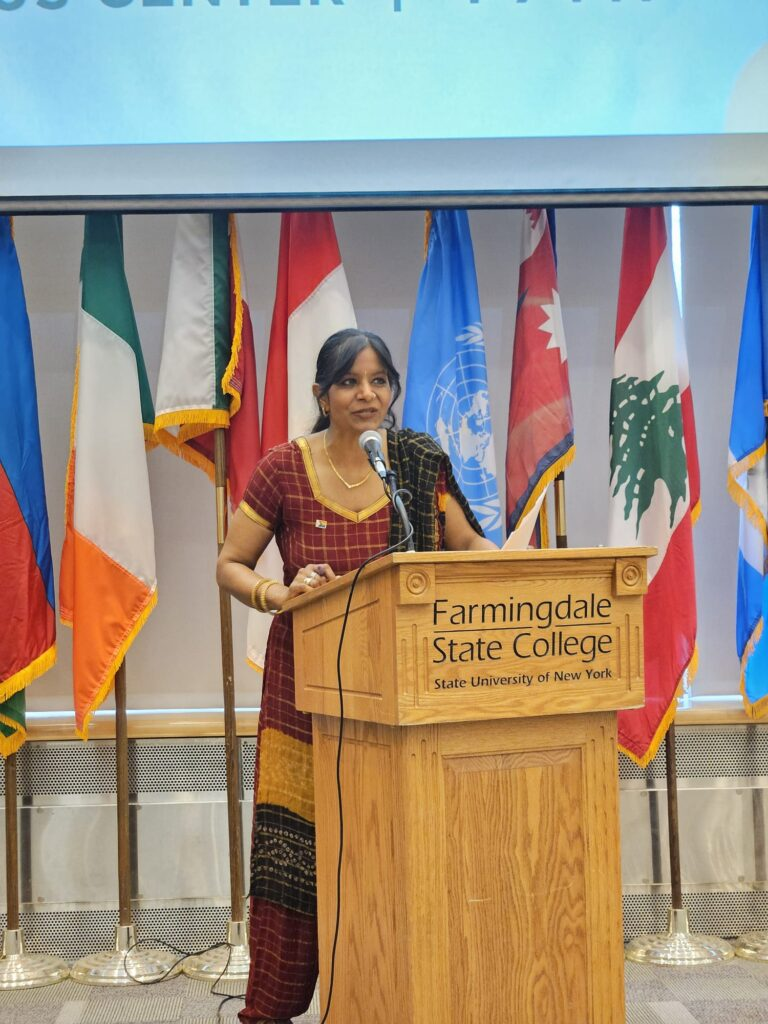
















I participated in the Braver Angels Long Island Alliance Multiculturalism Debate speaking AGAINST the resolution. Following is the Debate Resolution and my full 5-minute argument.
Resolved: The Minnesota Somali welfare fraud case demonstrates that a blanket acceptance of immigrant multiculturalism is a threat to assimilation based on a shared national culture.
Thank you, Mr. Chairman.
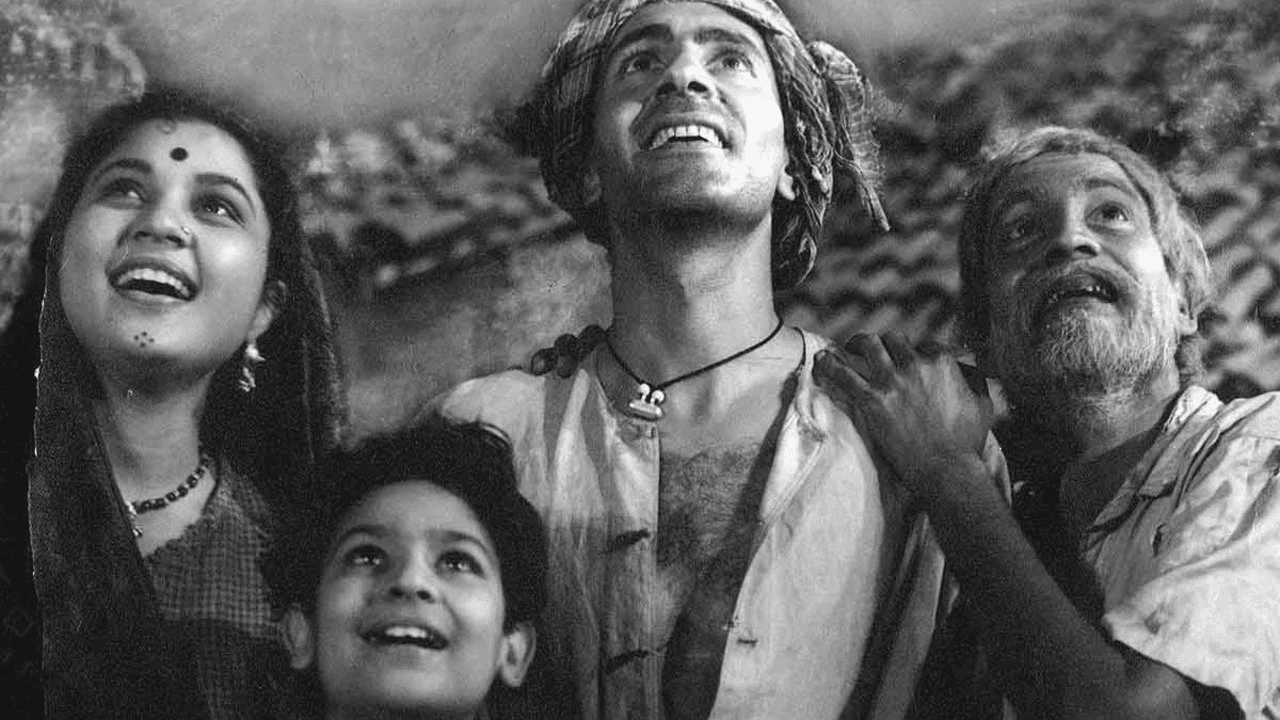
I want to begin with a story When I was growing up in India, one of the most popular films was called Purab Aur Paschim meaning East and West. It followed two Indian families: one that stayed in India and one that emigrated to the U.K.
The turning point comes when the son from the family in India goes to Oxford and lives with the emigrant family. His name is Bharat – the Hindi name for India itself. Bharat is hardworking, cultured, and rooted in family and tradition. By contrast, the children of the Indian-British family are portrayed as lost – drifting in alcohol, drugs, and disrespect for their elders.
Through Bharat ’s influence, they return to India to “find themselves.” The moral is clear: the West may have scientific knowledge, but it lacks true wisdom – and must turn to the East to recover it.
The film was beloved. It aired every year – especially around Indian Independence Day. I loved it too.
—
It took me years – and my own lived experience in the West – to see what was wrong with it.
The film compared the best of the East with the worst of the West. It told a single story of “the East” and a single story of “the West” to serve its narrow purpose, checking every box of confirmation bias when cultures aren’t in a real relationship with one another.
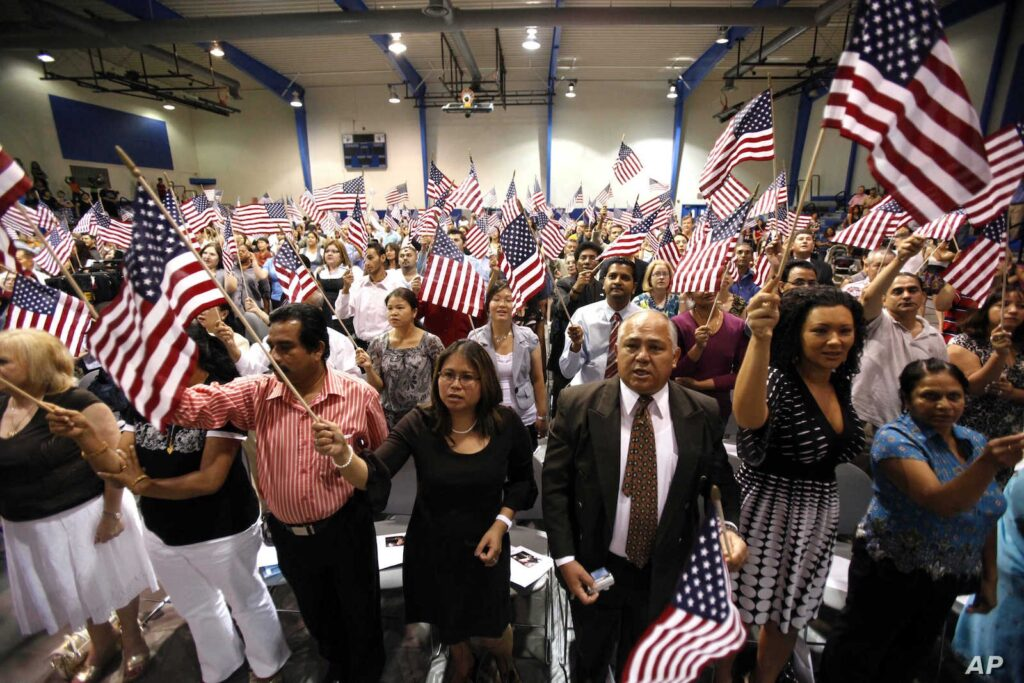
And that’s the same problem I see with today’s resolution, which touts immigrant multiculturalism as a threat to assimilation into a shared national culture.
There are an estimated 260,000 people of Somali descent in the United States. In the Minnesota case, about 82 people were involved. That is 0.03% of the Somali-American population.
If we’re going to talk about Somali-Americans who are not living up to the American ideal, what about those who are? From Congresswoman Ilhan Omar’s trailblazing political career, to K’naan’s globally resonant music, to Abdi Abdirahman’s Olympic qualifications, to Ayaan Hirsi Ali’s edgy writing — Somali-Americans are shaping U.S. culture, leadership, and sports in powerfully positive ways. Why isn’t their Somali background interfering with their assimilation?
And if we’re going to talk about people who aren’t living up to a shared American culture, why focus only on immigrants? What about the home-grown version of moral failure? Gordon Gekko’s “Greed is Good” didn’t come from Somalia — it fuels millions of Americans’ lust for power and self-aggrandizement, including many in politics.
The 2008 mortgage crisis wasn’t caused by immigrants. DuPont didn’t learn to poison water systems from Somalia. Social media engineering addiction and outrage for profit wasn’t a product of immigrant multi-culturalism. Big-Ag, Big-Pharma, Big-Tech — engineering illness, dependency and division – this culture of self-interest is home-grown American. Maybe the culture those Minnesota Somalians were chasing was the American ethos of “get rich quick”? In that case, they were well-assimilated – just not in the way we like to talk about.
So for all who condemn an amoral clan based culture, we also have to reckon with the amoral individualist culture that has gripped America for decades – a sick culture that has hollowed out our every institution and called it success.
—
Mr. Chairperson, in several Braver Angels workshops we’re asked to examine our inner polarizer through questions like these:
- How often do I think about “those people” without regard for variation among them?
- How often do I focus on the most extreme examples of another group?
- How often do I compare the worst of the other side with the best of my own?
To me, this resolution checks every one of those boxes.
—
As an immigrant from a third-world country, I know too well the neuroses and dysfunctions many immigrants bring with them, and that the only good way to foster assimilation is to have an immigration policy that drips not floods, which I believe is one of the root causes of the problem here. Our work is not to deny these issues, like so many do – but neither is it to double down on group identities that reinforce the very problems we oppose. Our task instead is to elevate a civic national culture rooted in responsibility, humility, dignity, and patriotism, which inspires immigrants to assimilate, while celebrating the richness that multiculturalism has brought America.
And that standard must apply equally for everyone, not just for ‘those people.’
Thank you.
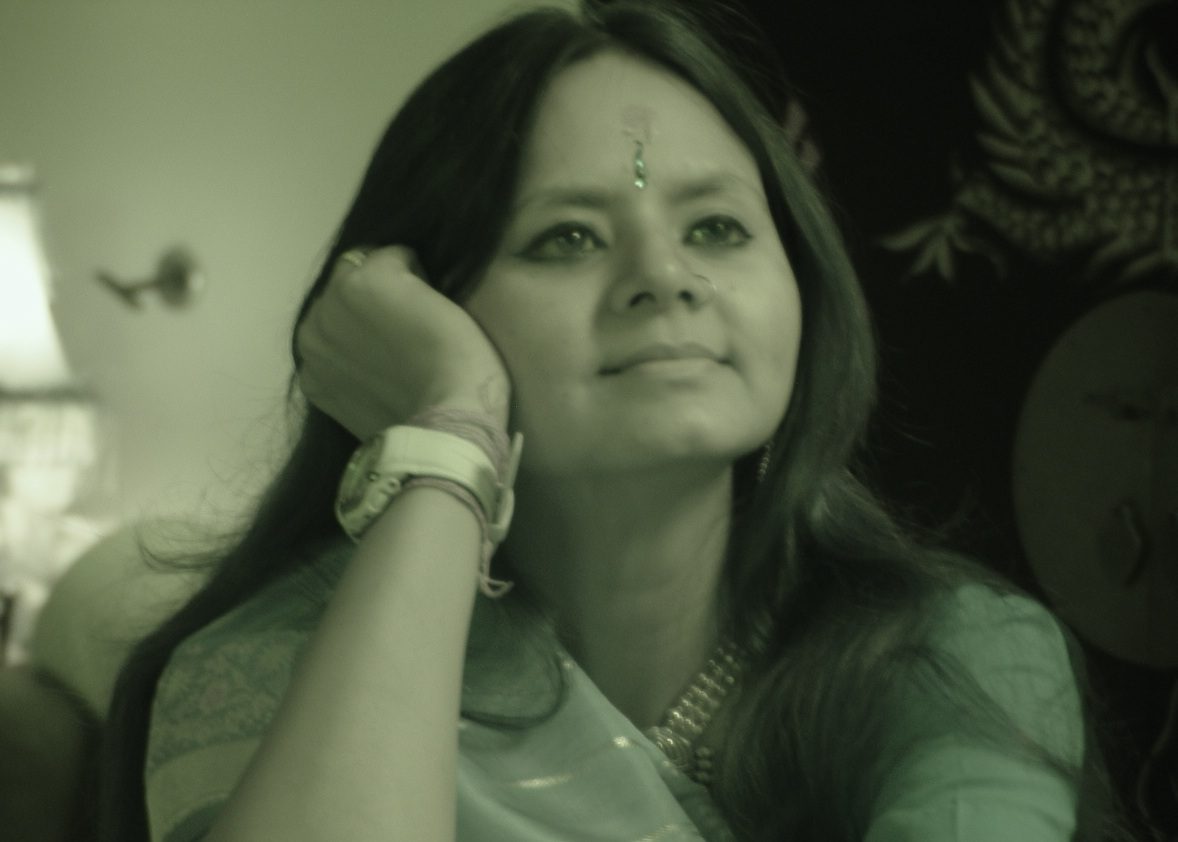
Swati Srivastava is an immigrant and a multi award-winning writer, director, and voiceover artist. A filmmaker & storyteller, Swati turns ideas into experience. She is the Co-Chair for Braver Angels Long Island Alliance, and a certified moderator for both Braver Angels and Crossing Party Lines, moderating conversations that bring people together across their political divides. Swati is also an environmentalist and lives in a Net Zero Energy home with her husband. She can be reached via Linkedin and swati@TiredAndBeatup.com